
What to expect from the tattoo consultation process
Many people focus heavily on style research and give far less thought to the tattoo consultation process itself. They'll scroll through Instagram portfolios for hours, pin dozens of references, debate placement with friends, and then show up to the studio without a clear idea of what actually happens next. The consultation is where everything that matters begins: design direction, the relationship with the artist, and the shared understanding that determines whether the finished tattoo is something you'll love for the rest of your life.
Some studios treat the consultation as a formality. Others build it into the foundation of every piece they create. Tattoo Garden, a private appointment-only studio in Everett, Washington, offers free, no-pressure consultations led by a single artist whose entire focus is understanding what you want before anything is committed to paper. That approach reflects what a well-run tattoo consultation should feel like anywhere you go.
By the time you finish reading this, you'll know how to prepare, what questions to expect, how designs get refined before your appointment, and what the booking process actually looks like.

What to bring before your tattoo consultation
Showing up prepared is the single most productive thing you can do. It saves time, reduces miscommunication, and gives the artist a real foundation to work from rather than guessing at what you have in your head. Think of this section as your tattoo consultation checklist before you walk through the door.
Reference images: how many is the right number
The sweet spot is 3 to 5 focused reference images. A massive Pinterest board creates noise; a small, intentional set communicates direction. Each image should show the artist something specific: one might demonstrate a line weight you like, another a shading style, a third a composition approach. The goal is never to hand the artist a photo and say "copy this." It's to give them a clear sense of the mood, style, and visual language you're drawn to.
Placement and sizing notes
Vague descriptions don't give the artist what they need. "Palm-sized on my arm" means something different to every person in the room. Before your consultation, measure the area with a tape measure and take a clear, well-lit photo of the body part in question. Think about whether the tattoo will be visible most of the time or covered by clothing, since that affects design choices more than most clients realize.
What the artist needs from you before design begins
Beyond visuals, the artist needs context. The meaning behind the piece matters, as does a clear list of things you don't want included. If there's existing work in the area, bring a photo of that too. Practical factors like frequent sun exposure, swimming, or physically demanding work affect how a tattoo heals and ages, and a good artist will factor those into their recommendations.
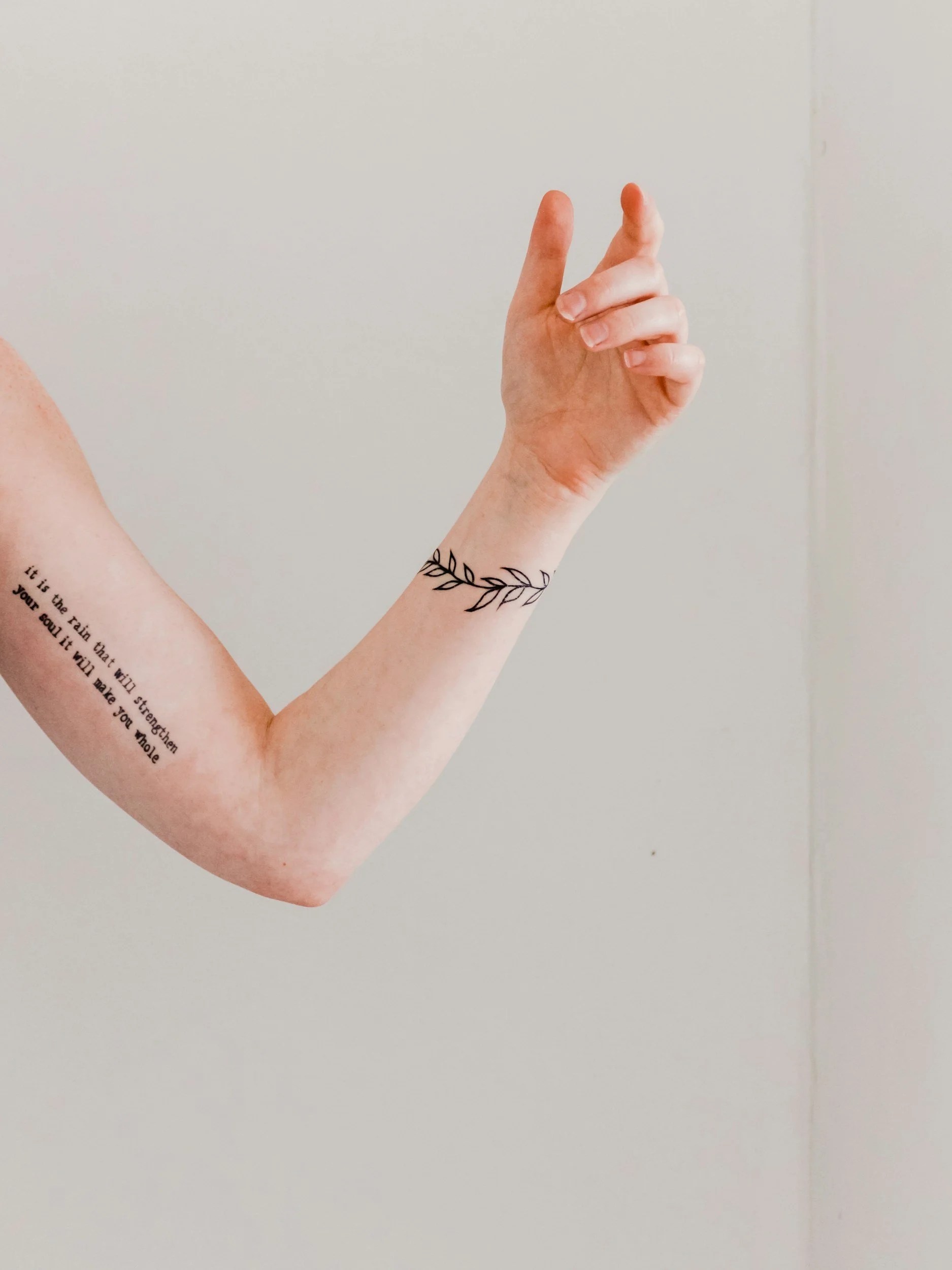
How to describe your tattoo idea so the artist actually gets it
Knowing what you want and knowing how to communicate it are two different skills. The consultation is partly about bridging that gap, and the best thing you can do is start with meaning before you jump to specifics.
Starting with meaning and mood, not just visuals
An artist who understands why you want something will make far better creative decisions than one who is handed a photo and told to replicate it. If you're getting a memorial piece, describe the person it honours before describing what you want it to look like. The emotional weight of the work informs every design choice that follows.
When your idea is still vague or evolving
Showing up without a fully formed concept is completely fine. A skilled artist is accustomed to working with fragments and helping clients figure out what they actually want. If you know the feeling but not the image, say so directly. That's more useful than forcing yourself to describe something you haven't fully visualized yet.
What happens when the artist pushes back on an idea
Artistic feedback during your consultation is not criticism. If an artist suggests simplifying a detail, increasing the size, or shifting the placement slightly, they're drawing on experience with how tattoos age and hold on different areas of the body. A fine detail that looks beautiful in a photo may blur within a few years. These conversations are a sign the artist is looking out for you, not managing you.

How the tattoo consultation process shapes the design
A good consultation is a conversation, not a presentation. Expect the artist to ask as many questions as you do, those questions are what make the difference between a tattoo that fits your body and one that doesn't. They inform proportion, placement harmony, and long-term legibility in ways that aren't always obvious upfront.
Questions about your body, skin, and lifestyle
Expect questions about placement preferences, skin tone and texture, any scarring or prior tattoos in the area, and lifestyle factors like sun exposure or physical activity. These aren't bureaucratic checkboxes. They shape real decisions about line weight, ink saturation, and how the tattoo will hold up over time.
Questions about style, scale, and design direction
Even if you've brought references, the artist will want to confirm your style preferences directly. The conversation around black and gray versus color, realism versus illustrative, and how fine a detail can realistically hold over time is one of the most valuable parts of any consultation. It's where the artist starts shaping a piece that works for your body specifically.
Questions about budget and time expectations
Pricing and session length come up naturally in this conversation, and a professional artist won't avoid them. A straightforward discussion about what the piece requires, how many sessions it will realistically take, and what that means financially is a sign of honesty, not a sales pitch. Use this conversation to ask anything you're uncertain about, including touch-up policies, because this is exactly the right time.
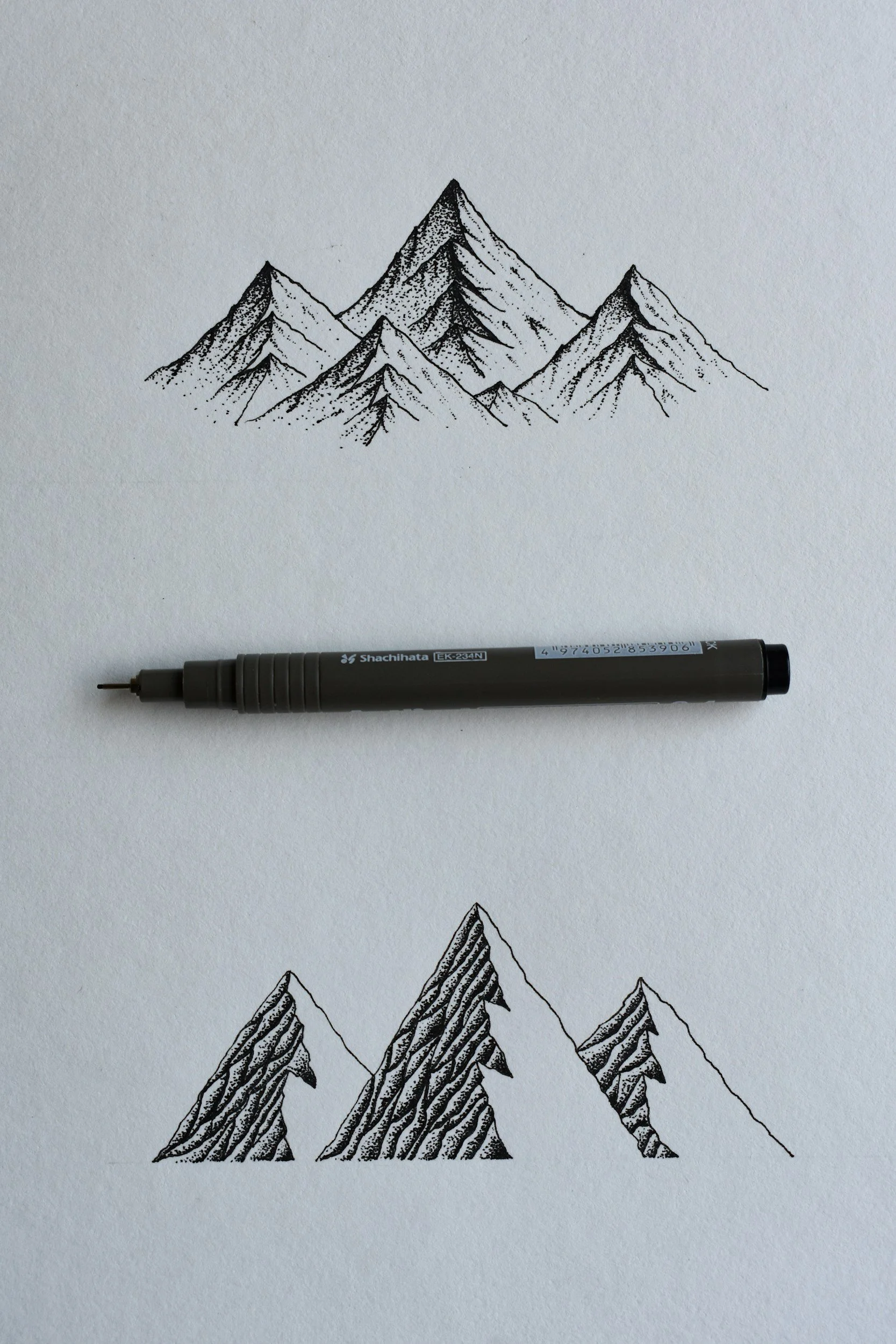
How your design gets refined before the appointment is confirmed
The consultation establishes direction, and the design phase follows from there. Understanding how that typically unfolds helps you know what to expect, and when to speak up, before ink meets skin.
When you'll see sketches or mockups
For custom work, artists commonly develop the design after the consultation, not during it. Most clients receive a draft or digital mockup somewhere between three and seven days before their appointment for standard pieces. Larger or more detailed work can take one to three weeks. That timeline gives the artist space to develop something considered rather than rushed.
How revision rounds typically work
Most studios allow one or two revision rounds before the design is finalized. A productive revision request is specific: identify what isn't working and why, rather than offering a general "I'm not sure about it." Saying "the flowers feel too heavy compared to the text" gives the artist something to act on. Saying "something feels off" leaves everyone guessing.
What to do if the design still feels off before your appointment
Speak up before you sit down in the chair. Rushing into a tattoo you're uncertain about helps no one, and any artist worth working with would rather take another pass at a design than have a client walk away unhappy. This is the moment to ask for more time if you need it.

Tattoo booking and deposit: what to expect
Once the design direction is agreed on, the consultation moves into the practical side of confirming an appointment. None of this should come as a surprise if you know what to expect going in.
What a typical deposit covers and how much to expect
Most professional tattoo studios charge a deposit, and it serves two purposes: protecting the artist's design time and holding your spot in their schedule. For smaller pieces, deposits typically fall in the $50 to $100 range. Medium work tends to run $100 to $200. Large or multi-session projects often require $200 to $500 or more. In most cases, the deposit is applied to the cost of your final session, so it's not an additional charge on top of the total.
Cancellation windows and rescheduling policies
The most common policy is a 48 to 72-hour notice window for cancellations and rescheduling. If you give sufficient notice, the deposit typically rolls over to your new date. Late cancellations and no-shows usually result in a forfeited deposit and a new one required to rebook. This is a normal, professional boundary that protects the artist's time and income. Treat the cancellation policy the same way you would for any appointment that requires preparation.
What to confirm before you leave the consultation
Before you walk out, make sure you have clear answers on each of the following:
The final price estimate
The appointment date
The deposit amount and how it was paid
When you'll receive the design
If any of those details are still open, ask before you leave. Getting clarity at this stage prevents confusion later and keeps the whole tattoo consultation process moving smoothly.
The realistic timeline from first meeting to finished tattoo
One of the most common things clients underestimate is how long the full process takes from start to finish. The range is wide, and that's worth understanding before you commit to a deadline.
For a simple or flash tattoo, the timeline from consultation to finished ink can be as short as one to two weeks if the artist is available and the design needs little adjustment. For a large custom piece, especially one involving multiple sessions, several weeks to a few months is a more realistic expectation. Popular artists may carry waitlists ranging from a few weeks to several months for a first session, and that's before the design phase begins.
If you're planning work that requires multiple sessions, ask about the healing gap during your initial consultation. The standard spacing between sittings is two to four weeks, sometimes longer for large areas. Knowing that at the start lets you plan around it rather than being caught off guard mid-project.
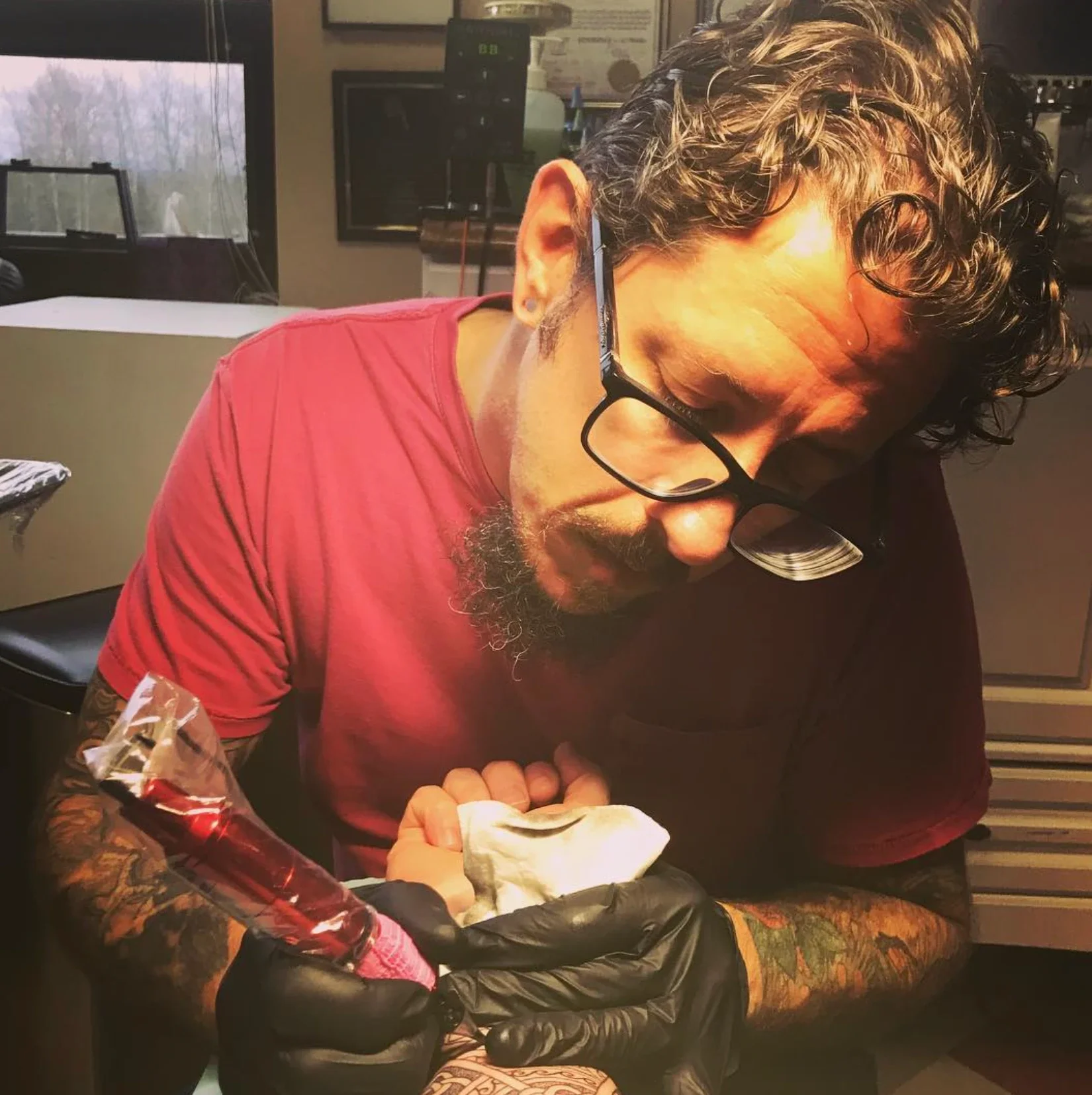
The consultation is where it starts
The tattoo consultation process is not a formality you get through on the way to the real thing. It's where the tattoo either starts on the right foot or doesn't. A client who arrives prepared with focused references, honest context, and a willingness to have a real conversation gives the artist everything they need to do their best work.
The most telling quality of a consultation is how the artist makes you feel in the room. The best artists listen without interrupting, ask questions that go deeper than what you said on the surface, and give honest feedback without making you feel judged for what you want. If that describes your experience, you've found a good fit.
For anyone in the Pacific Northwest, including Canadian clients near the BC border, Tattoo Garden offers exactly this kind of starting point: a free, no-pressure consultation with one artist who has been doing this work since 2008. Reach out to schedule yours and see what a genuine consultation actually feels like.
Q: What should I bring to a tattoo consultation?
A: Bring 3–5 focused reference images, a tape measure and a clear, well-lit photo of the body part, plus photos of any existing work in the area. Also prepare a short explanation of the meaning behind the piece and a list of things you don’t want included. Mention practical factors like frequent sun exposure, swimming, or physically demanding work so the artist can factor healing and longevity into their recommendations.
Q: How many reference images are right for a consultation?
A: The sweet spot is 3 to 5 focused images. Too many creates noise, while a small, intentional set lets each image communicate a specific element like line weight, shading style, or composition without asking the artist to copy a photo.
Q: How do I describe my tattoo idea if I’m not sure exactly what I want?
A: Start with the meaning and the mood you want the piece to convey rather than forcing visual specifics. Skilled artists are used to working from fragments and can help translate a feeling or story into a design during the consultation.
Q: How should I describe placement and size so the artist understands?
A: Measure the area with a tape measure and bring a clear photo of the body part; vague phrases like “palm-sized on my arm” mean different things to different people. Also tell the artist whether the tattoo will usually be visible or covered, since visibility affects design decisions.
Q: What practical factors will an artist consider when advising on a tattoo?
A: Artists consider sun exposure, swimming, physically demanding work, and any nearby existing tattoos because these affect healing and how the tattoo will age. They’ll factor those lifestyle details into placement, technique, and aftercare recommendations.
Q: What happens if the artist pushes back on my idea?
A: If an artist pushes back, it’s usually because they’re trying to prevent a design that won’t age well or isn’t technically feasible. A good artist will explain their concerns, suggest alternatives, and work with you to find a solution that preserves your intent while improving longevity and aesthetics. Tattoo Garden’s approach—free, no-pressure consultations led by a single artist—illustrates how pushback can be constructive and collaborative.
Q: How do designs get refined before my appointment and what does the booking process look like?
A: The consultation establishes design direction and a shared understanding; the artist uses your references, meaning, and feedback to create and refine sketches before the session. Once you and the artist agree on the concept and practical details, the studio will move forward with scheduling and booking based on that finalized plan.