
Is a Private Tattoo Studio Better for Custom Work?
Many people choose a tattoo shop the same way they choose a coffee place: whichever one is nearby, or the one that showed up on their Instagram feed at the right moment. For flash work or a simple design, that approach works fine. For custom tattoos, it almost never does.
If you're asking whether a private tattoo studio is better for custom work, the short answer is: usually yes, but with enough nuance that it's worth understanding before you book anything. Custom work is a different kind of project. It requires conversation, planning, creative trust, and sustained attention from an artist who actually knows your piece before the session starts. The way a studio is set up, operationally and physically, shapes whether any of that is even possible. Some studios were built around exactly that kind of one-on-one, intentional work. One artist, one client, one vision. No compromises buried in the noise of a busy shop floor.

Is a private tattoo studio better for custom work, how it compares to walk-in shops
The operational difference that shapes everything
Walk-in shops run on volume and availability. Multiple artists, a rotating clientele, and same-day decisions are the norm. That model works for what it's designed to do: get people tattooed quickly. Private studios run on intention and preparation. A single booking window, one client at a time, and pre-session communication that happens before the needle ever touches skin. That difference in structure changes the entire experience, not just the session itself.
When a studio knows who's coming in, why they're coming, and what they want, the artist can prepare. Reference images can be reviewed. Design concepts can be sketched in advance. The client arrives to a session where someone already understands their idea, rather than hearing it for the first time at the counter.
Why a calmer environment changes the session
Noise, foot traffic, and the low-grade pressure of a busy shop are easy to underestimate. They affect both the client and the artist. A client who feels rushed or exposed is less likely to communicate clearly about what they want. An artist working in a loud, fragmented environment is less able to give a complex design the sustained focus it needs. A quiet, controlled space removes those friction points before they have a chance to shape the result.
This matters most for first-time clients and for pieces that carry emotional weight. Memorial tattoos, milestone markers, and designs that carry specific personal meaning are not well-served by a chaotic environment. The session needs room to breathe.
Appointment-only booking and what it signals about a studio's values
A studio that doesn't take walk-ins is making a deliberate choice. It's choosing preparation over convenience, and depth over volume. That's not the right model for every client or every tattoo. But for custom work, it signals that the artist takes the design process seriously enough to build time around it. Scheduling is a reflection of artistic values. The studios that do it well aren't turning down business arbitrarily; they're protecting the conditions that let them do their best work.
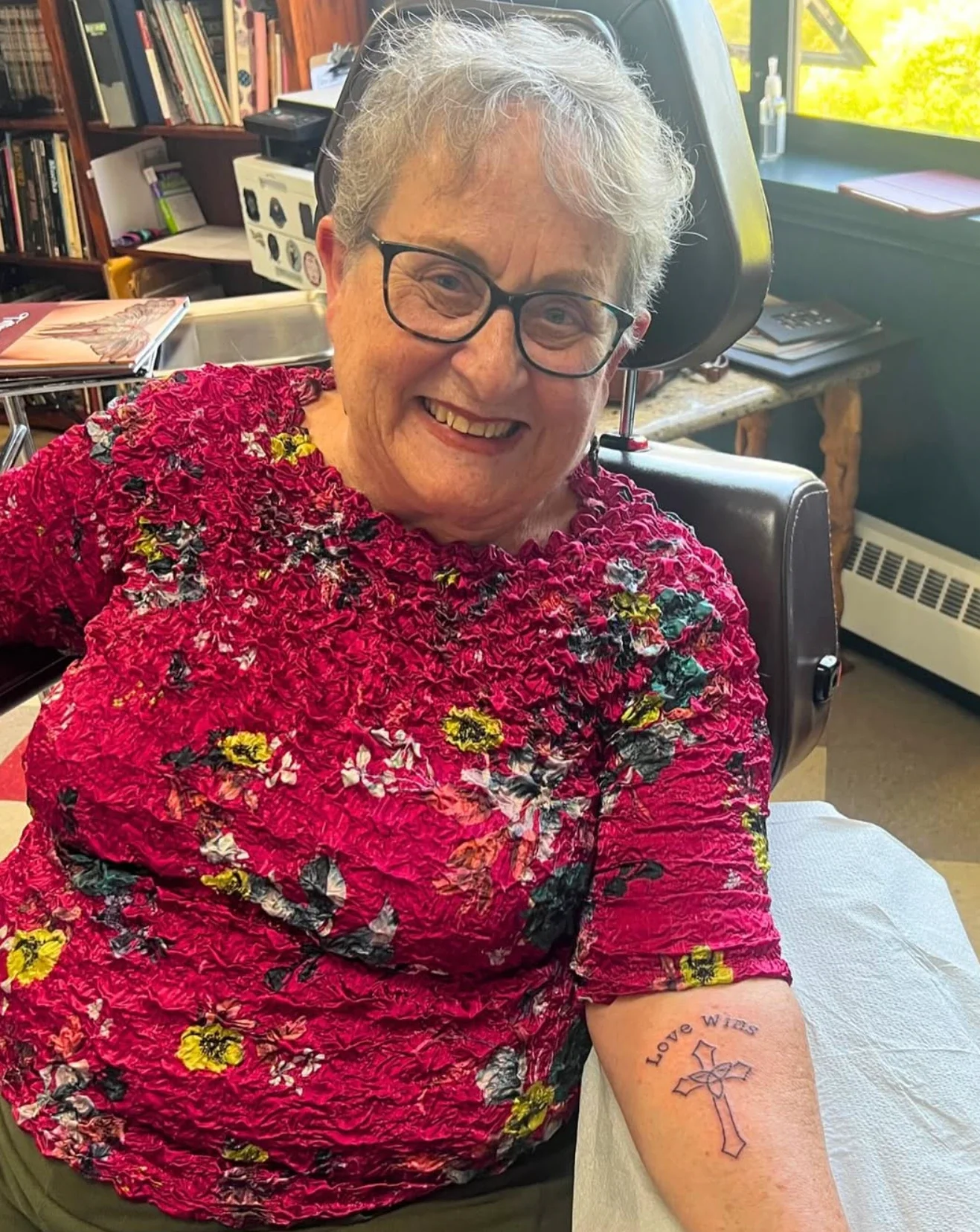
Why artist focus matters more than most clients realize
What "one client at a time" means for custom design quality
Custom tattoo work demands a specific kind of mental focus. Understanding a client's vision, translating it into a viable design, and executing it with precision over a long session are not tasks that survive constant interruption. When an artist's attention is split between walk-ins, scheduled clients, and the general activity of a busy shop, something gives. Usually it's the depth of the design work.
An artist who knows your piece thoroughly before the session begins is in a fundamentally different position than one picking it up mid-session. Design decisions made under pressure, at speed, without a full understanding of what the client actually wants, tend to show. Not always immediately. But in the healed tattoo, over time, the choices made in a hurry become visible.
How the single-artist model builds creative trust
When one person handles the consultation, the design development, and the session itself, continuity is built into the process. There are no hand-offs, no miscommunications between artists, no version of the concept getting lost between intake and execution. Tattoo Garden in Everett, Washington is built around exactly this model: a private, appointment-only studio where a single custom tattoo artist manages every client personally, from the first conversation to the finished piece. That's not an accident of scale. It's a deliberate operating choice that changes the quality of the collaboration.
For Canadian clients in the Greater Vancouver area and Fraser Valley who are open to cross-border options, Tattoo Garden is worth looking into as an example of a private studio built around this level of focused, one-on-one care.
The problem with high-volume environments for custom work
Volume creates pressure. Pressure creates shortcuts. In a busy shop environment, even a scheduled appointment for custom work competes with the surrounding energy of walk-ins, other artists, and the general pace of a floor that's always moving. Design decisions that should take twenty minutes of conversation get five. Placement choices that deserve careful thought get made quickly because the next client is already waiting. The work suffers in ways that are often hard to trace back directly, but the underlying cause is often the same: too many clients competing for too little focused time.
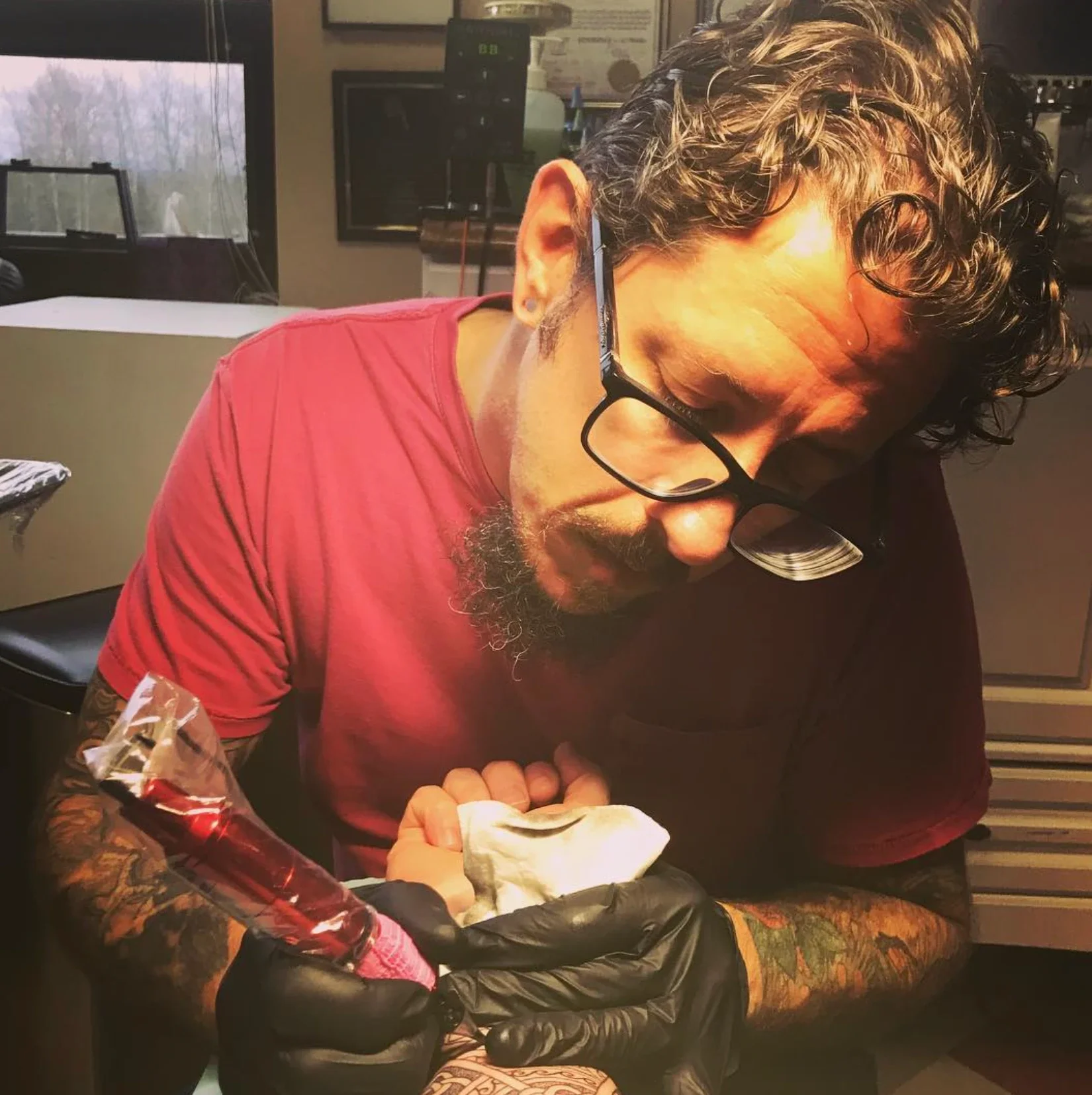
Is a private tattoo studio better for custom work? Consultation and process explained
What happens during a custom tattoo consultation
A proper consultation at a private studio for custom work is a structured conversation, not a sales pitch. The artist needs to understand the concept and the meaning behind the piece. What's the story? What symbols matter, and why? What feeling should the finished tattoo carry? That context directly shapes the design decisions that follow. Reference images help, but the story behind the request matters more than the images themselves.
Placement and size are also worked out during consultation, and a good custom tattoo artist will push back when necessary. A design that's too small for its level of detail won't age well. A placement that ignores body anatomy will look off in ways that are hard to explain but easy to see. The consultation is where those problems get solved before they become permanent.
The questions worth asking before you commit
Going into a consultation without questions is a missed opportunity. Here's what to ask:
Does the artist show healed work, not just fresh photos? Fresh tattoos look better than healed ones, which is exactly why healed photos are the real test of quality.
How involved will you be in the design review process before the session?
What is the studio's revision and communication policy between the consultation and the appointment?
Is the consultation free, or does the fee apply toward the deposit?
What does the artist suggest changing or simplifying to make the design work better as a tattoo?
The answers reveal process. An artist who can explain their approach clearly, pushes back thoughtfully, and has healed photos to back it up is showing you something real.
The bespoke tattoo design process: what to expect between consultation and session
After the consultation, a private studio artist will typically develop a sketch, mock-up, or digital placement preview and refine it based on your feedback before the session. Some studios complete the full design in advance; others finalize key decisions closer to the appointment. What matters is that there are feedback rounds before tattoo day, not surprises when you sit down. A walk-in shop has no equivalent process. The design gets made on the day, often from a reference image handed over at the counter.

Cost, deposits, and hygiene: what to realistically expect
What custom tattoo work costs in a private studio
Private studios in Washington State and the broader Pacific Northwest typically charge between $150 and $300 USD per hour for custom work, with boutique artists sometimes reaching $400 USD per hour or more. Medium custom pieces often land in the $250 to $700 USD range. Larger or multi-session work can run $1,000 to $5,000 USD and beyond, depending on complexity and scale. Walk-in shops tend to charge a shop minimum of around $80 to $150 USD for smaller pieces, which reflects the simpler, faster nature of that work.
The pricing difference reflects time, preparation, and attention, not a premium added arbitrarily. A higher rate at a private studio usually means more design development, more communication, and a longer, more focused session. For Canadians budgeting in CAD, it's worth factoring in the exchange rate when planning for a cross-border session. Even accounting for the conversion, the total cost relative to the quality of the process often compares favorably to what a high-volume local shop delivers for complex custom pieces.
Deposit practices and what they signal
Most private studios require a deposit to hold an appointment. Common ranges run from $50 to $100 CAD equivalent for smaller pieces and $100 to $300 or more for larger or multi-session projects. Deposits protect both sides: the client has a confirmed appointment with an artist who has prepared specifically for their piece, and the artist is compensated for design time if the booking falls through. A studio that can't explain its deposit policy clearly, or refuses to take one at all, is telling you something about how seriously it takes its process.
Hygiene, licensing, and what to verify before booking
In British Columbia, tattoo studios operate as personal service establishments under provincial health regulations, which require adequate handwashing facilities, single-use needles, proper disinfection between clients, and general infection-control compliance. BC does not provincially license tattoo artists as a profession, but the studio premises must meet public health standards and pass inspection. Washington State is more formalized: state body-art licensing is required for both studios and practitioners, with mandatory inspections and detailed sanitation protocols. Either way, a legitimate studio should be willing and able to show you its licensing, explain its sterilization process, and demonstrate a clean, organized setup before you sit down.

Red flags that signal a private studio isn't worth your time
Some studios use the private or appointment-only label without the substance that should come with it. The signs are usually visible before you book, if you know what to look for.
On hygiene and operations: visible uncleanliness, vague answers about sterilization, needles not opened from sealed packaging in front of you, and no license or inspection record to show are all serious concerns. Pricing that seems implausibly low, especially for complex custom work, is often a sign of corner-cutting rather than a deal worth taking.
On communication and professionalism: unanswered messages, vague timelines, repeated rescheduling before you've even confirmed a booking, and pressure to commit same-day without reviewing a design are red flags. A studio that can't communicate clearly before your appointment won't communicate better during it.
On portfolio and quality: a portfolio with only fresh photos and no healed work, inconsistent line quality, and no reviews or references from past clients are worth taking seriously. Ask directly for healed examples of work similar to yours. A confident, experienced artist will have them and will show them without hesitation.
Is a private studio the right call for your custom tattoo?
The question isn't just whether private studios are better in general. It's better for what, and for whom. For flash work or a simple design that doesn't require much planning, a walk-in shop is perfectly reasonable. For custom work, emotionally significant pieces, complex placements, or cover-ups that need real problem-solving, the private studio model exists because the alternative doesn't serve those needs well.
Before you book anything, run through this basic checklist: the studio has verifiable licensing and a clean, inspected space; the artist can show healed work and explain their custom design process; a consultation is available before you commit, whether it's free or credited toward a deposit; and communication from the first message has been clear, timely, and professional. If a studio clears all four, you're in a good position to move forward.
So, is a private tattoo studio better for custom work? In most cases, yes. Some studios were built specifically around intentional, one-on-one work, and that structure shows in the outcome. Tattoo Garden in Everett, Washington is one of them: a private, appointment-only studio where a single artist handles every client personally, from the first consultation to the finished tattoo. If you're in the Greater Vancouver area or the Fraser Valley and open to exploring cross-border options, it's worth reaching out to start a conversation. The right studio for your custom piece isn't always the closest one. It's the one designed to get the work right.