
If you're searching for a cover-up tattoo artist in Everett, WA, start by looking for three things: a portfolio of healed cover-up examples, real versatility across styles, and a consultation process built around your specific tattoo's challenges rather than getting you booked quickly. Many artists in the Everett area tattoo well. Far fewer can consistently make old ink disappear in a way that actually holds up once the skin heals.
This guide walks you through how to evaluate any cover-up specialist on the criteria that matter most for this kind of work. Tattoo Garden is run by artist Michael T. Gardner.
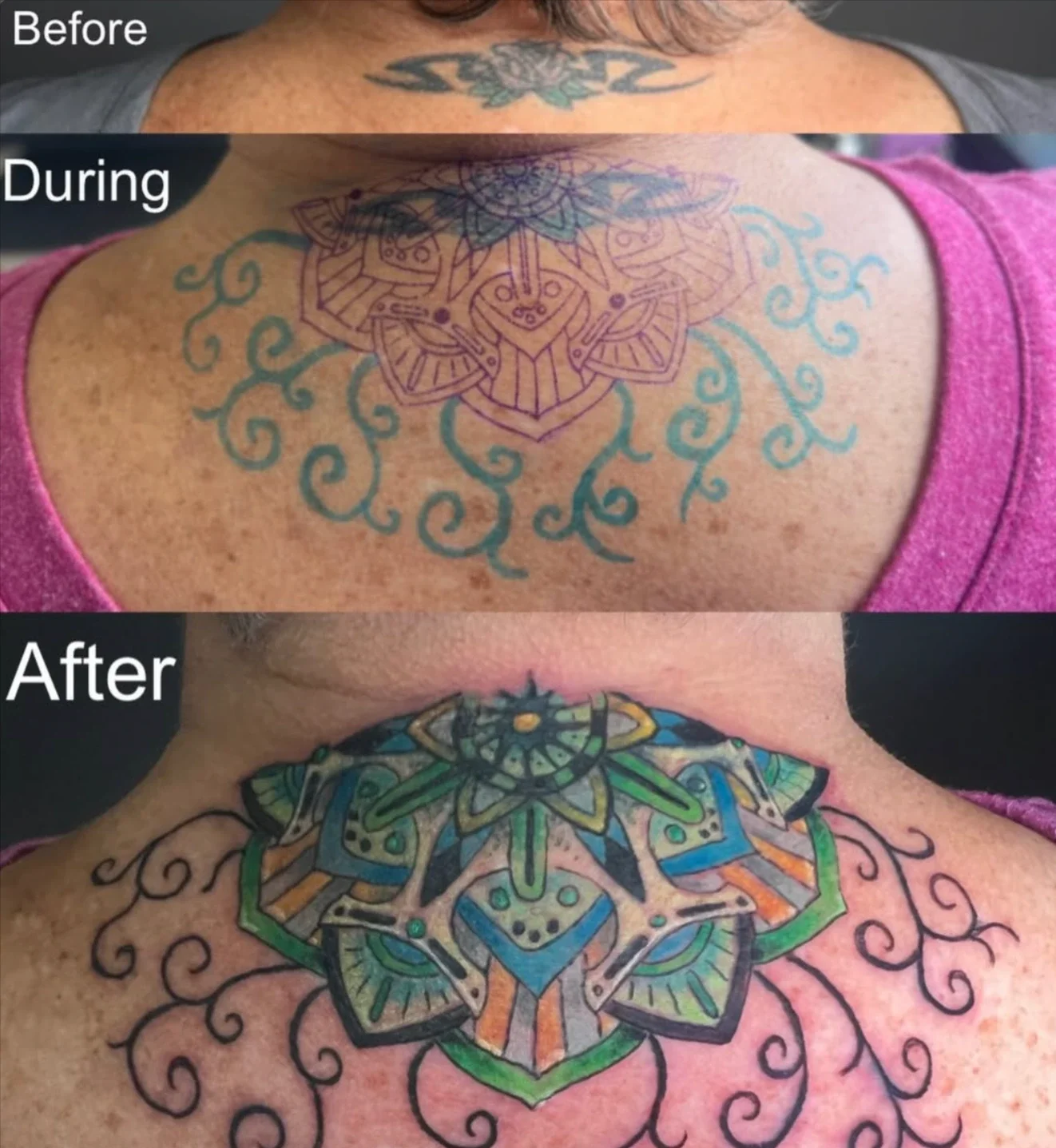
Key takeaways
Healed examples are essential: Fresh photos don't reveal coverage quality. Ask for healed shots that match your tattoo's darkness, size, and placement before committing to anyone.
Style versatility matters: An artist who works in multiple styles can design around your specific tattoo rather than forcing it into one approach.
Consultation quality reveals everything: A private, unhurried consultation tells you more about an artist's cover-up capability than any online review.
Cover-ups cost more: Extra design time, denser shading, and multiple sessions make this more involved than a fresh tattoo of the same size.
Know the red flags: No healed examples, guaranteed results, or pressure to book without a design discussion are all reasons to walk away.
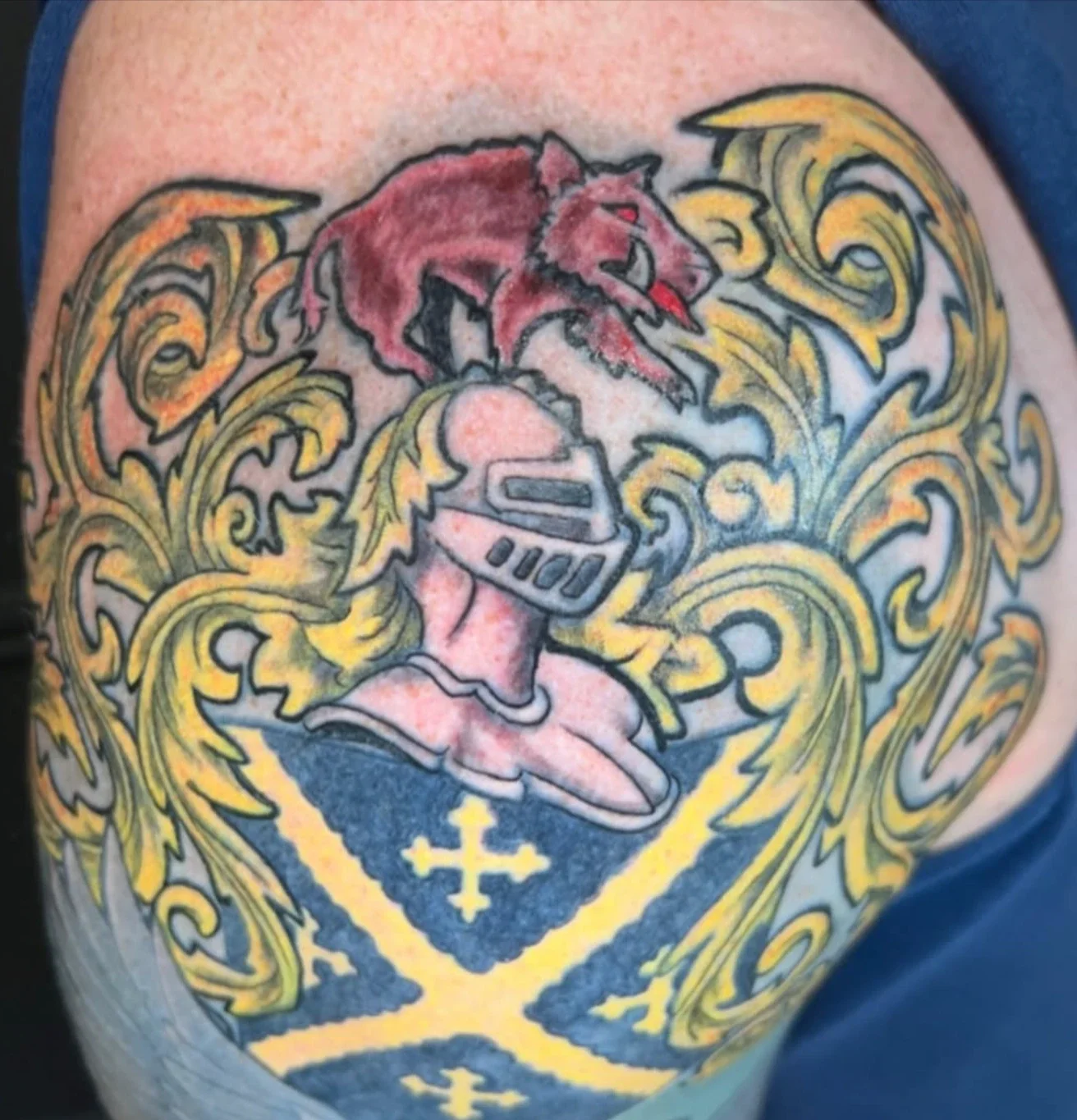
Why cover-up tattoos require a different skill set entirely
Cover-up work is not regular tattooing on a more difficult canvas. The artist must design something new that accounts for the existing tattoo's size, darkness, saturation, color, and placement, while making the result read as intentional rather than concealing. That requires a fundamentally different kind of design thinking.
Dark pigment doesn't disappear under new ink. Both old and new pigment sit in the same dermal layer, and darker underlying areas can reappear once the fresh ink heals and loses its surface opacity. A skilled artist must plan the new design's darkest values to land directly over the old tattoo's heaviest lines. Artists who don't understand this produce pieces where the original work remains legible once healed.
An artist can have 15 years of experience and still struggle with this kind of work if they haven't actively practiced the specific design thinking it demands. Cover-ups require a different approach to composition, value mapping, and managing what's actually possible for a given piece, general tattooing experience doesn't automatically transfer. That's why the portfolio matters more here than almost anywhere else.
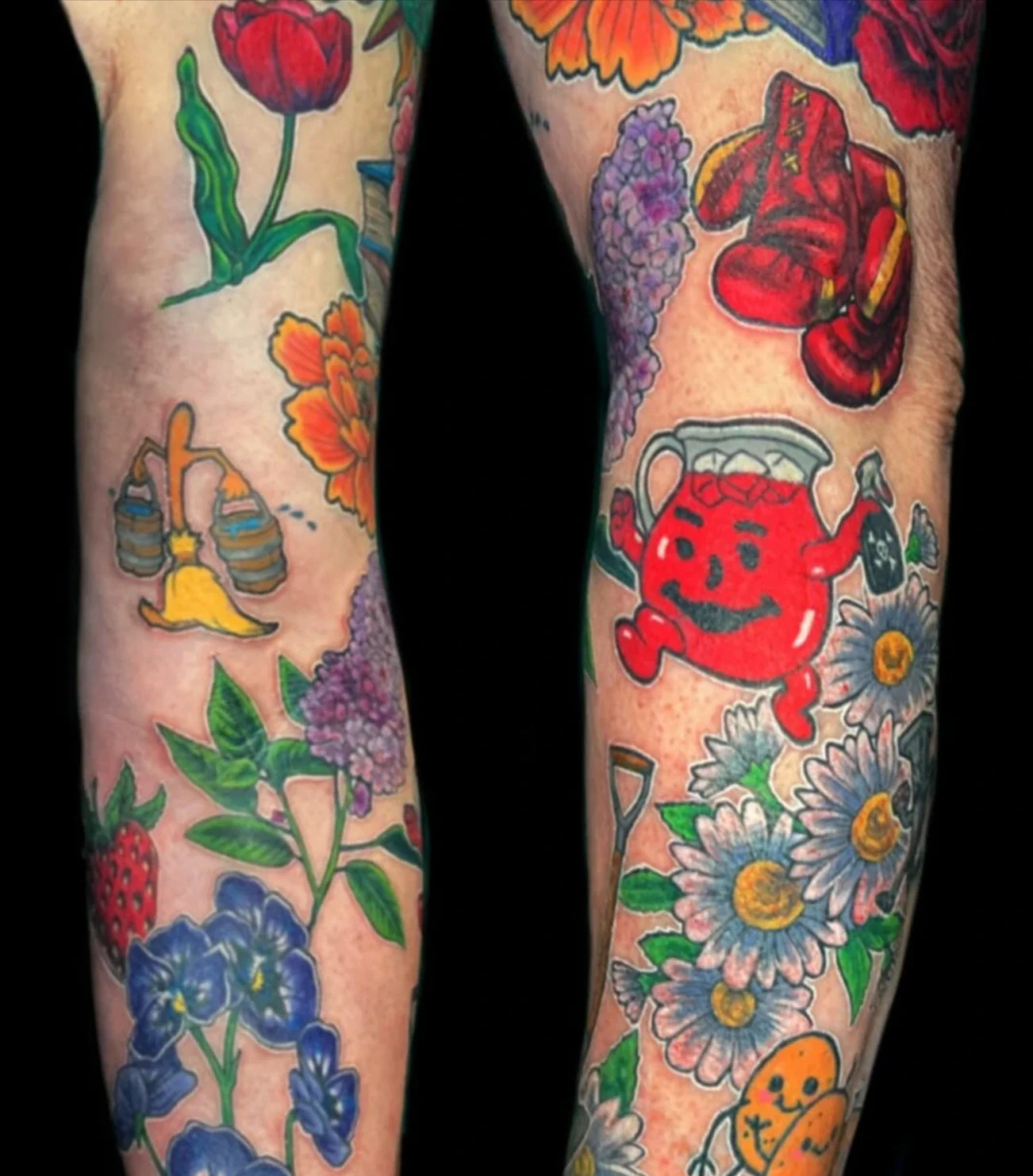
How to evaluate a cover-up portfolio before you book
Healed shots vs. day-of photos
A portfolio is the most honest signal of an artist's capability, but most people don't know how to read one for this kind of work. The question isn't whether the work is beautiful. It's whether it proves the artist can handle what you're bringing them.
Fresh tattoos look sharp and saturated in photos. Healed tattoos reveal the truth: whether the old ink bled through, whether lines held, whether coverage is genuinely complete. Ask every artist you're considering for healed examples, not just day-of shots. If they don't have them, that's your answer.
Matching darkness and placement
A portfolio full of light-to-medium cover-ups tells you very little if your existing tattoo is a heavily saturated piece or a solid black design. Look for examples with comparable darkness, size, skin tone, and placement to yours.
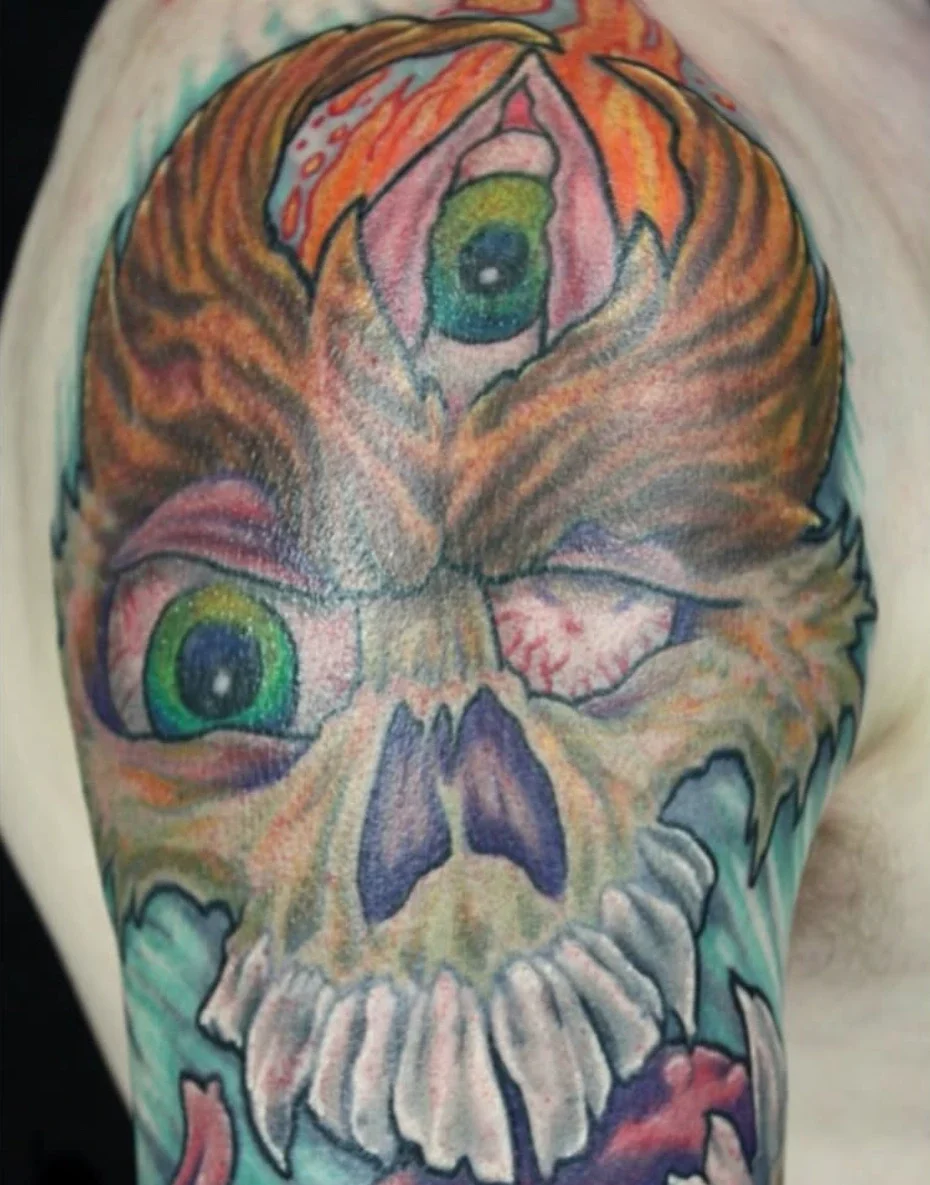
Which tattoo styles actually work for hiding old ink
Style choice in cover-up work isn't purely aesthetic; it's structural. Some styles provide the density and value contrast needed to absorb old lines. Others, no matter how beautiful in a fresh photo, won't deliver complete coverage once the skin settles.
Four approaches consistently perform well for concealment:
Blackwork and blackout: The highest coverage potential of any approach. Dense saturation masks dark or heavily layered originals. The tradeoff is visual flexibility: once an area is blacked out, your design options narrow significantly. Best suited to heavily saturated or large existing tattoos.
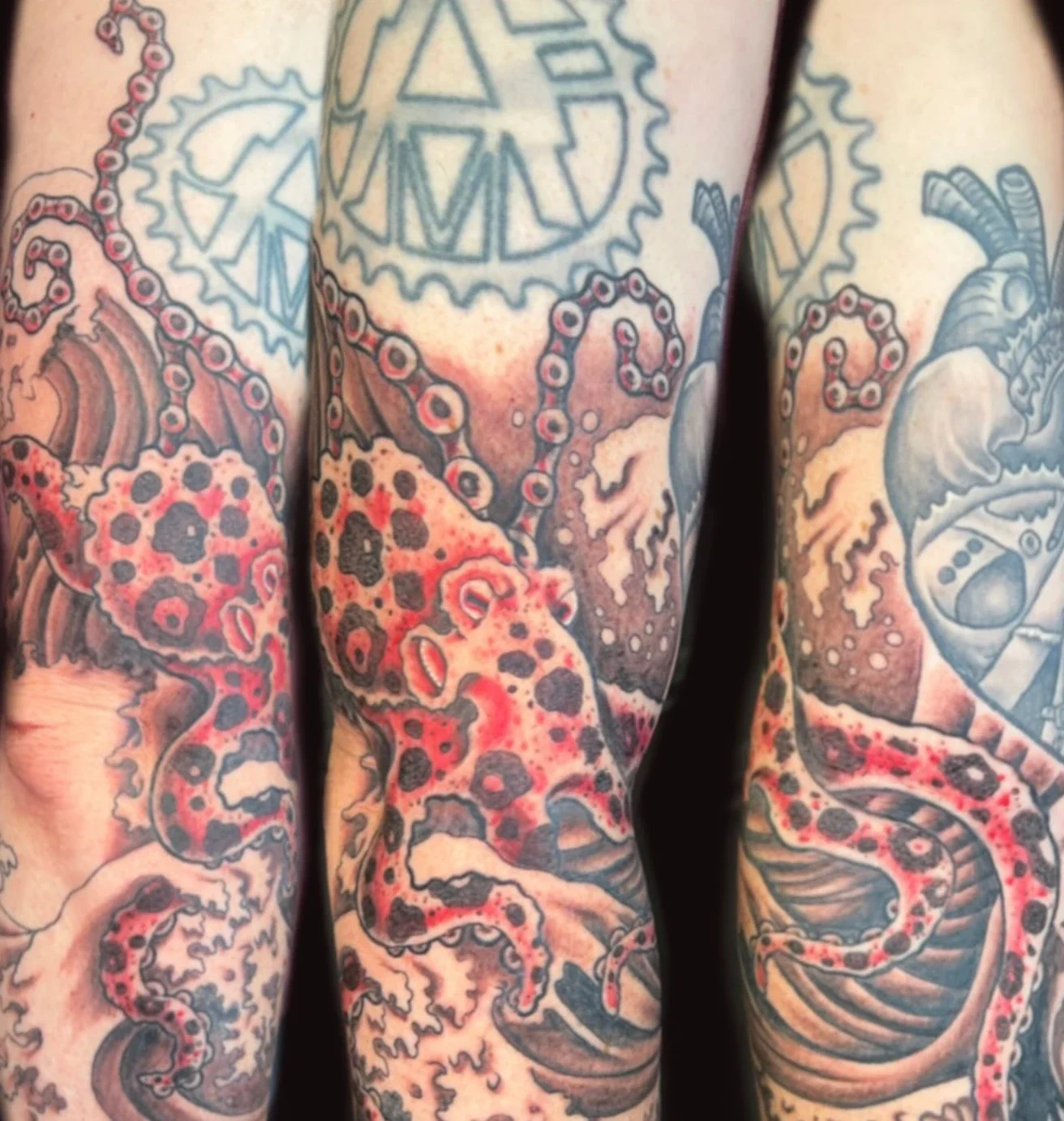
Floral and botanical: Overlapping petals, deep internal shadows, and irregular shapes make florals among the most consistently successful cover-up subjects. A large rose or peony can conceal a surprising amount of old ink.
Neo-traditional and saturated color: Strong outlines and jewel-toned pigments absorb old lines far better than pastels. This style requires careful value planning, but it gives clients more visual range than blackwork.
Illustrative and realism: Animals, smoke, textured scenes, and Japanese-influenced imagery can all work well when the darkest parts of the new design land directly over the heaviest lines in the old tattoo.
An artist who works confidently across multiple styles is better equipped to design around your specific tattoo rather than reverse-engineering your situation to fit their preferred aesthetic. Ask which approach they'd recommend for your piece and why. A specific, design-based answer is a strong signal. A vague response or an immediate push toward their signature style is not.
What a strong cover-up consultation actually looks like
The consultation is where you find out whether an artist genuinely understands your tattoo, or just wants to book the session. For complex work, the quality of this conversation matters as much as the portfolio. A private, appointment-only studio model serves clients best here: one-on-one time with the artist who will actually do the work, no walk-in noise, and no pressure to decide quickly.
Bring clear, well-lit photos of your existing tattoo alongside something for scale, like a ruler or a coin. Include shots of the surrounding skin so the artist can assess placement and available clean area. Bring three to five reference images showing styles, subjects, or compositions you're drawn to. Details about the old tattoo's age, any previous touch-ups, laser fading history, and whether the skin is raised or scarred all help the artist give you an accurate assessment.
Questions worth asking before you commit:
Can I see healed cover-ups comparable to my tattoo in darkness, size, and placement?
How will you disguise the original lines, and what design compromises does that require?
How many sessions should I realistically expect?
Would partial laser fading improve my options before we start?
What are your deposit, cancellation, and touch-up policies in writing?
Walk away if any of the following apply:
The artist has no healed examples or only heavily edited portfolio images
They guarantee the old tattoo will completely disappear
They pressure you to book or pay before any in-person design discussion
They quote a price dramatically below comparable artists without explanation
They ask you nothing about your skin, health, or expectations
A strong consultation ends with a realistic design direction, written pricing, and a clear session plan. Not a promise.
Cover-up tattoo artist Everett: pricing and expectations
Price is the question most clients ask first, though it's more useful after a consultation has established what the work actually involves. Without knowing your existing tattoo's darkness, size, color, placement, and scar tissue, no honest artist can give you an accurate quote. Having a realistic range does help you identify lowball red flags and set reasonable expectations.
Cover-ups cost more than original tattoos of the same size because they require extra design time, denser shading, and often multiple sessions. An artist who quotes you the same rate as a comparable fresh piece either isn't accounting for the additional work, or is cutting corners that will show up once the piece heals. A consultation with a clear photo of your existing tattoo is the only way to get an honest estimate.

How to choose a cover-up tattoo artist in Everett for your specific piece
When comparing artists, certain things should be non-negotiable: healed portfolio examples that match your situation, style versatility that serves your tattoo rather than the artist's preference, and a consultation process that answers your specific questions without pressure. Studios with appointment-only models naturally provide more of this than high-volume walk-in environments, where that conversation gets compressed by traffic and time.
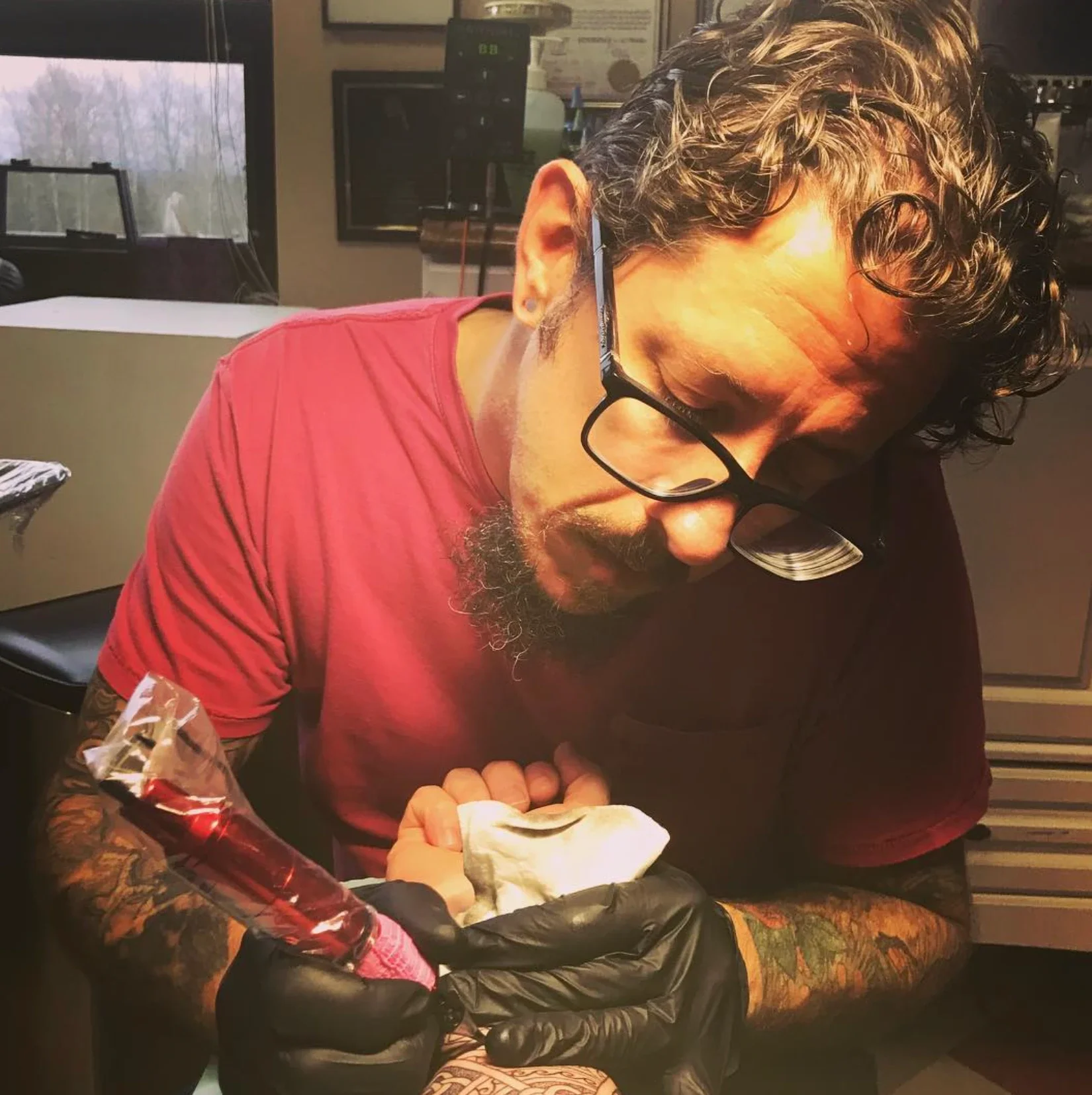
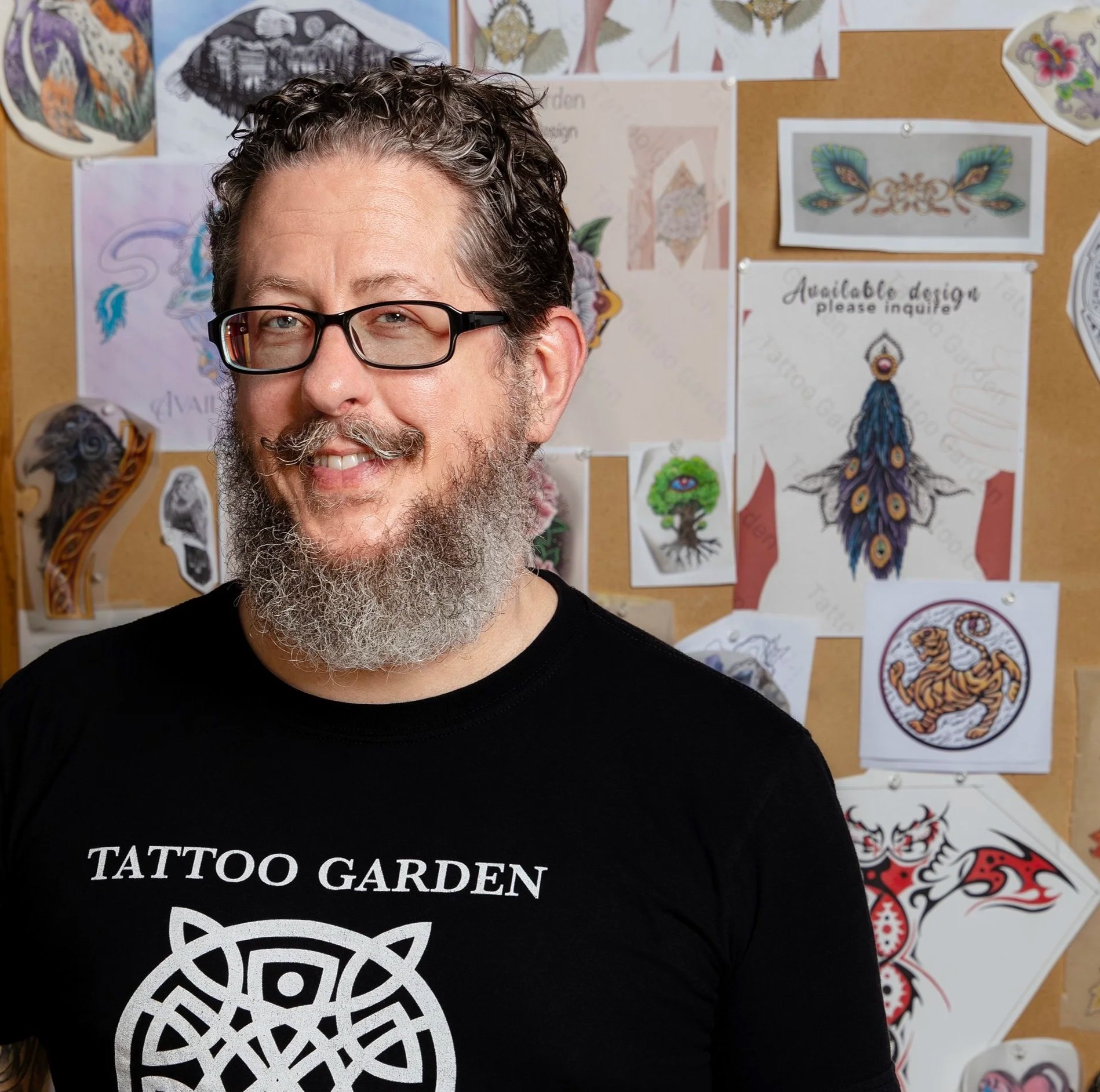
At Tattoo Garden, we operate as a fully private, appointment-style studio in Everett's Lowell neighborhood. Every session is handled solely by Michael T. Gardner, who has been tattooing since 1995. We offer free consultations, giving you the space to assess feasibility, discuss design direction, and ask everything that matters before committing to anything.
Tattoo Garden's appointment availability and one-client model serve cross-border clients from Greater Vancouver and the Fraser Valley. You sit down with the artist who will actually do the work, in a private setting built entirely around your piece.
The best cover-up artist in Everett, WA isn't the busiest or the most followed. It's the one who takes your specific tattoo seriously enough to plan around it. A portfolio of healed examples, honest style versatility, and a consultation that respects your time are what separate a result you'll love from one you'll eventually need to cover again. Reach out to us at Tattoo Garden to book a free consultation and start that conversation with the right information.
Frequently Asked Questions
If I'm coming from Greater Vancouver or the Fraser Valley, what should I factor in when planning a consultation or session?
You should account for exchange rate and consultation timing before making the drive. We serve cross-border clients and pefer you make an appointment so we can dedicate 1:1 time to your consultation.
Do you offer a free consultation for cover-up work?
Yes, we offer free consultations. Consultations are private so you meet the artist who will do the work in a one-client setting, and you can use the time to assess feasibility and discuss design direction before committing.
What should we bring to a cover-up consultation?
Bring clear, well-lit photos of your existing tattoo with something for scale and shots of the surrounding skin. Also bring three to five reference images showing styles or compositions you like, and be ready to provide details about the old tattoo's age, any previous touch-ups, laser fading history, and whether the skin is raised or scarred.